The Hidden Catalysts of Concentration
Traditional exploration for hard-rock lithium has long relied on identifying pegmatites—igneous intrusions that host spodumene crystals. However, the next generation of exploration is looking deeper into the metamorphic history of the host rock itself. Through a process we call metamorphic scavenging, regional tectonic activity applies immense pressure and temperature to ancient crustal sequences, effectively 'sweating' lithium ions out of common mica minerals and focusing them into localized, high-grade zones.
By mapping these metamorphic gradients, exploration companies are no longer just hunting for the visible signatures of pegmatites; they are identifying the specific geodynamic environments where lithium was mobilized and trapped millions of years ago. This shifts the search from random prospecting to a predictive, structural-geological methodology.
The Anatomy of Metamorphic Traps
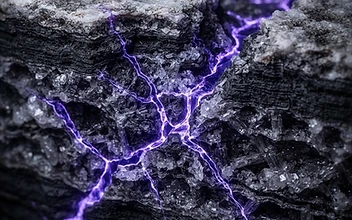
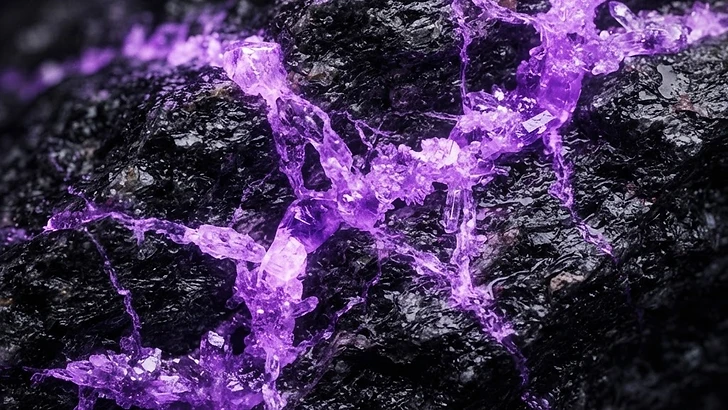
Unlike standard magmatic deposits, metamorphic traps rely on the fluid pathways created by crustal deformation. As the earth's crust undergoes metamorphosis, lithium-rich fluids travel along shear zones, seeking lower-pressure corridors where they precipitate as concentrated lithium minerals. This creates a predictable 'geological architecture' that geologists can model using three-dimensional stress-strain analysis.
Key indicators of these high-potential environments include:
- Deformation Zoning: Mapping the intensity of mineral alignment to locate fluid-flow pathways.
- Mineral Assemblage Shifts: Tracking the transition from lithium-poor to lithium-enriched micaceous structures.
- Structural Intersections: Targeting the nodal points where intersecting fault lines created the ultimate 'pressure-relief valves' for mineralizing fluids.
Elevating Exploration Fidelity
This shift toward metamorphic analysis transforms the success rate of greenfield exploration. By integrating core-sample isotope data with regional tectonic models, companies can now discern between barren intrusions and high-grade mineralized systems before drilling a single deep borehole. This methodological rigor reduces the 'guesswork' phase of exploration, allowing capital to be directed toward the highest-probability geological features.
Furthermore, this approach provides a more robust understanding of the deposit's geometry. Knowing the metamorphic history helps predict the orientation and depth of ore bodies, facilitating more efficient mine planning and minimizing the surface disruption associated with exploratory drilling. It is a transition from surface-skimming to a deep understanding of crustal formation.
Why It Matters
Metamorphic scavenging represents the frontier of geological intelligence, turning the complex, violent history of our planet into a reliable map for the future. By moving beyond surface artifacts and into the fundamental physics of crustal concentration, the lithium industry is securing a more predictable, high-grade supply of the elements essential for the global energy transition. This scientific evolution ensures that the bedrock of our future power systems is grounded in geological precision, reinforcing lithium's status as a permanent, non-negotiable asset in the new global economy.