The Shift to Predictive Hydrology
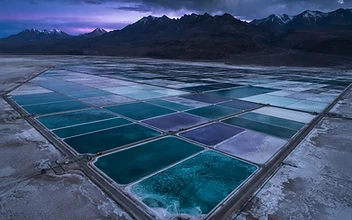
For decades, lithium extraction—particularly in the high-altitude salt flats of the Andean plateau—operated on the logic of retrospective observation. Producers monitored the surface evaporation levels, adjusting production in response to the climate cycles of the previous quarter. Today, the industry is undergoing a paradigm shift toward 'Predictive Hydrology,' an approach where the mine site operates less like a quarry and more like a high-fidelity hydrological laboratory.
By embedding arrays of IoT-enabled pressure sensors and chemical monitors directly into the borehole grid, explorers are now able to map the subsurface brine movement in real-time. This is not merely about locating the highest concentrations of lithium; it is about understanding the subterranean 'plumbing' of the deposit. This level of geological intimacy ensures that extraction is optimized, preventing the dilution of resources and ensuring the longevity of the reservoir.
The Logic of Subterranean Asset Management
As we scale, the goal is to view the brine basin as a dynamic, self-replenishing asset rather than a static ore body. Predictive hydrology allows companies to create a 'digital twin' of the aquifer. By running simulations against potential extraction rates, engineers can optimize the flow, ensuring that every liter of brine drawn from the earth is processed with maximum chemical efficiency.
This methodology addresses one of the most critical challenges in lithium exploration: the variability of subsurface porosity. When we understand the specific hydraulic conductivity of a deposit, we stop 'blind pumping.' Instead, we treat the aquifer with precision, extending the operational life of the facility by years, or even decades, while minimizing surface disruption.
Data-Driven Stewardship
This technical evolution manifests in several key operational improvements:
- Dynamic Pumping Protocols: Adjusting well-field output based on immediate sub-surface pressure changes to avoid brackish contamination.
- Early-Warning Geochemical Shifts: Detecting shifts in mineralogy before they hit the processing plant, allowing for the proactive adjustment of chemical separation parameters.
- Basin-Scale Transparency: Establishing a continuous, verifiable log of water levels that provides institutional certainty to stakeholders and regulators.
The New Engineering Paradigm
Moving toward predictive, sensor-heavy mining creates a more defensible investment case. By removing the guesswork from the extraction cycle, the industry lowers the 'operational risk' that has historically plagued mining projects in complex geological environments. It creates a rhythm of production that is tied directly to the earth's natural feedback, ensuring that the lithium we extract is not just an amount, but a product of precision engineering.
This is not a trend; it is the maturation of an industrial process into a science-first architecture. As we refine our ability to 'see' beneath the salt flats, we remove the inherent volatility associated with extractive industries, creating a more predictable supply of the raw materials required for the energy transition.
Why It Matters
Lithium’s long-term value is inherently linked to our ability to extract it responsibly and predictably. By adopting predictive hydrology, the industry transitions from the volatile, reactive practices of the past to a model of precise, data-backed stewardship. This shift ensures that as global demand grows, our capacity to meet it remains grounded in deep, stable, and transparent geological intelligence.