The Molecular Precision Era
The traditional approach to lithium harvesting has long relied on macroscopic processes—either large-scale pond evaporation or energy-intensive hard-rock crushing. However, the next frontier in production technology is not located in the field, but in the laboratory design of synthetic ion-sieves. By engineering materials at the nanoscale, producers are moving away from brute-force mineral processing toward a precise, selective molecular capture process.
The Geometry of Selectivity
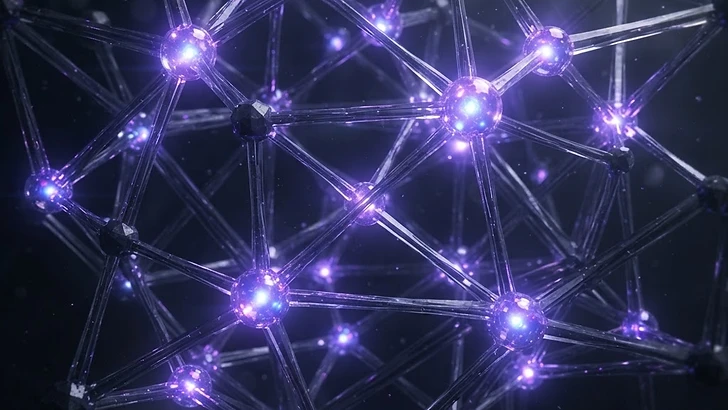
At the core of this technological transition are crystalline materials designed with a specific lattice geometry. These 'molecular sieves' are engineered to mimic the selective properties of biological ion channels. When a mineral-rich brine is passed through a membrane or column packed with these nanostructures, the lithium ion is preferentially trapped within the crystalline framework while other ions are allowed to flow through.
This level of selectivity offers a paradigm shift in how we approach complex, impure brine sources that were previously deemed uneconomical. Because these sieves can be tuned to distinguish lithium from structurally similar elements like magnesium or potassium, they allow for higher recovery rates from previously discarded or low-grade feedstocks.
Advancing the Recovery Yield
Beyond simple capture, ion-sieve technology changes the lifecycle of the production plant. Traditional processes are often limited by chemical imbalances in the raw source material, which can cause 'clogging' in the recovery circuit. Nanoscale filtration systems offer several distinct advantages:
- Selective Mineralization: Reducing the need for post-extraction purification cycles, as the sieves essentially perform a primary separation step in real-time.
- Reduced Reagent Consumption: Because the material acts as a physical filter rather than a mass-market chemical reactant, the volume of processing additives is significantly lowered.
- Process Adaptability: These materials can be deployed in modular, scalable units that can be integrated into existing mining infrastructure, allowing for retrofitting rather than complete plant overhauls.
Designing for Scalability
For engineers and policymakers, the transition toward nanotechnology in mineral production represents a transition from industrial-scale chemistry to precision manufacturing. This is an essential evolution as the global demand for battery-grade lithium grows. As we shift toward more geographically diverse sources of raw materials—including geothermal brines and unconventional sedimentary deposits—the chemistry of the extraction medium becomes the primary determinant of success.
By treating the lithium recovery process as a matter of structural engineering rather than commodity extraction, producers can maintain consistent output quality regardless of the underlying geological variance. This stability is the true hallmark of a mature, industrialized mineral sector that can reliably supply the global energy transition with the exact chemical inputs required for high-performance battery storage.
Why it matters
The adoption of nanoscale ion-sieve technology is critical because it decouples lithium supply from the limitations of crude, high-waste extraction methods. By enabling high-purity production from diverse and historically overlooked resource bases, these technological advances ensure that the lithium value chain remains resilient and scalable. This move toward precision engineering serves as a long-term anchor for the industry, ensuring that as global electrification reaches new sectors, the foundational material required for that transition is secured through a predictable, efficient, and technologically superior framework.